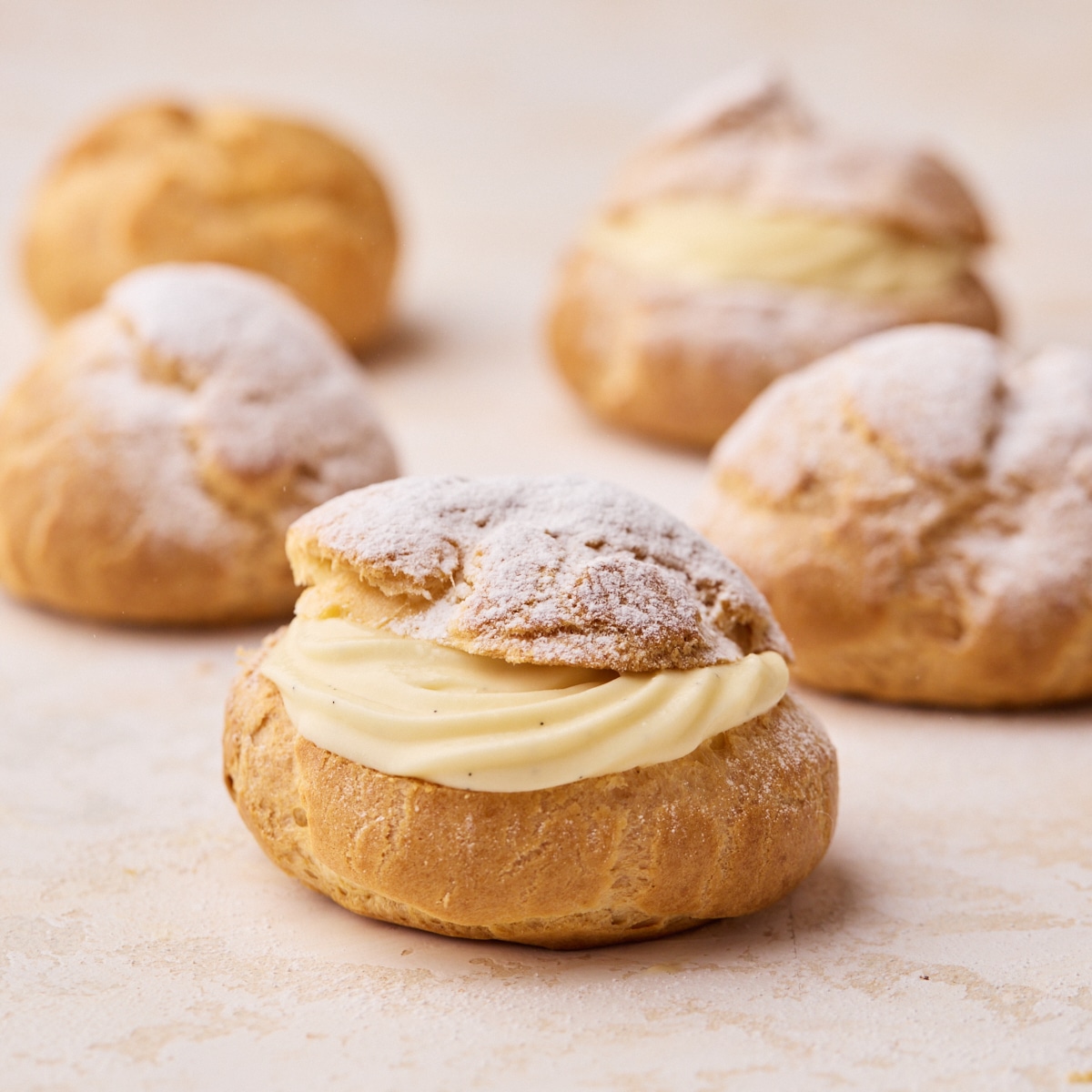
Ingredient Choux Pastry Secrets: Quick Tips for Success
Choux pastry, known in its elegant French form as pâte à choux, is a true marvel of the culinary world. Often perceived as a complex creation reserved for professional patissiers, this versatile dough is surprisingly straightforward to master, requiring just a handful of everyday ingredients and about 15 minutes of active preparation time. Imagine creating light, airy, hollow puffs, perfect for embracing both sweet and savory fillings – from classic cream puffs and decadent eclairs to savory gougères and sophisticated appetizers. If you've ever wondered how to make choux pastry pate a choux that consistently delivers impressive results, the secret lies not just in the steps, but in truly understanding the role each ingredient plays.
My own journey with choux pastry began with nostalgic childhood memories, helping my mother whip up profiteroles. As I started hosting my own gatherings, I realized the immense potential beyond desserts, experimenting with elegant, bite-sized savory options. The beauty of choux pastry is that once you grasp the foundational principles, it opens up a world of culinary creativity that's both rewarding and delicious.
The Enduring Appeal of Perfect Pâte à Choux
What makes choux pastry such a beloved and enduring classic? Beyond its impressive appearance, it offers a compelling combination of attributes:
- Minimal Ingredients: You’ll only need 5-6 common pantry staples, making it accessible to any home cook.
- Speedy Preparation: With just 15 minutes of hands-on time, you can have the dough ready for baking.
- Unparalleled Versatility: This dough is a chameleon! It shines equally bright in sweet dishes like profiteroles, éclairs, and chouxnuts, or in savory applications such as cheese gougères or filled with smoked salmon mousse. If you're looking to explore the versatile world of choux pastry beyond desserts, you'll be amazed by the possibilities.
- Make-Ahead Convenience: Both the uncooked dough and the baked puffs freeze beautifully for up to a month, making entertaining a breeze.
- Elegant Presentation: Despite its simple origins, choux pastry always looks sophisticated and impressive on any table.
Understanding these benefits is the first step towards confidently learning how to make choux pastry pate a choux.
Unpacking the Essential Ingredients for Flawless Choux Pastry
The magic of choux pastry comes from a careful balance of very few ingredients. Each plays a vital role in creating that signature crisp exterior and wonderfully hollow interior. Let's delve into the core components:
Liquids: Water and Half-and-Half (or Milk)
The liquid base is fundamental. Water is the traditional choice and serves a critical purpose: it converts into steam during baking, which is the primary leavening agent that causes the puffs to rise dramatically and create their hollow centers. However, many modern recipes, and indeed a personal preference, introduce a dairy component like half-and-half or milk.
- Water: Essential for generating steam, which creates the characteristic puff and hollow interior.
- Half-and-Half/Milk: Adding a touch of dairy contributes a richer flavor profile, a more tender crumb, and significantly aids in achieving that beautiful golden-brown exterior. It makes the pastry slightly less crisp than an all-water version but adds a desirable richness.
Quick Tip: For the most classic, ultra-crisp shell, stick to all water. For a slightly richer, more tender choux with better browning, a mix of water and dairy is a fantastic choice.
Fats: Unsalted Butter
Unsalted butter brings flavor, richness, and contributes to the overall structure and tenderness of the dough. It melts into the liquid, forming an emulsion that the flour will later absorb.
- Why Unsalted? Using unsalted butter allows you to control the exact amount of salt in your pastry, crucial for balancing flavors.
- Role in Structure: The fat helps tenderize the dough and prevents it from becoming too tough.
Seasoning: Kosher Salt (and Optional Sugar)
Even for sweet applications, kosher salt is non-negotiable. It enhances and balances all the other flavors, preventing the pastry from tasting bland.
- Flavor Enhancer: A small amount of salt makes a significant difference in the overall taste.
- Optional Granulated Sugar: If you're making choux specifically for sweet fillings (like cream puffs or profiteroles), adding 2-3 teaspoons of granulated sugar to the butter mixture at the boiling stage will give the pastry a subtle sweetness, complementing your dessert. For savory uses, omit the sugar.
The Foundation: All-Purpose Flour
All-purpose flour is the structural backbone of your choux pastry. When added to the hot liquid and butter mixture, its starches gelatinize, trapping the steam that will eventually make your choux puff. This forms a thick paste known as the panade.
- Steam Trapper: The gluten and starch in the flour create a strong network that holds the steam, allowing the pastry to expand dramatically.
- Forming the Panade: The vigorous stirring when the flour is added is crucial to cook out the raw flour taste and develop the starch properly.
The Binder and Leavener: Large Eggs
Large eggs are arguably the most dynamic ingredient. They provide elasticity, richness, shine, and contribute significantly to the dough's lift and structure, emulsifying the fats and liquids.
- Binding Agent: Eggs bring the dough together, creating a cohesive, pliable consistency.
- Elasticity and Shine: They give the finished pastry its characteristic sheen and allow it to stretch as it bakes.
- Leavening Support: While steam is the primary leavener, the proteins in eggs help set the structure as the pastry expands.
Crucial Egg Tip: Room Temperature Eggs! This is a small but mighty detail. Cold eggs can shock the warm panade, making it harder to emulsify properly and potentially resulting in a lumpy dough. To quickly bring eggs to room temperature, place them in a bowl of warm (not hot!) water for 5-7 minutes. The water should feel comfortably warm to the touch, around 90-100°F (32-38°C); anything hotter might start to cook the eggs.
Quick Tips for Mastering "How to Make Choux Pastry Pâte à Choux"
Beyond the ingredients, mastering a few key techniques will guarantee your success in learning how to make choux pastry pate a choux.
1. The Panade Perfection: Cooking Out the Flour
After your liquids, butter, and salt (and optional sugar) come to a rolling boil, you'll add the flour all at once. Stir vigorously and continuously with a wooden spoon or heat-proof spatula. The dough will quickly come together into a ball. The next crucial step is to continue cooking the dough over medium heat for 2-3 minutes, stirring constantly. This process, often called "drying out the panade" or "cooking out the flour," achieves two things:
- Evaporates Excess Moisture: This ensures your final dough isn't too wet, which could lead to weak puffs that collapse.
- Gelatinizes Starches: It properly develops the flour's starch, allowing it to absorb the eggs efficiently and create a stable structure.
You'll know it's ready when a thin film forms on the bottom of the saucepan, and the dough pulls away cleanly from the sides.
2. The Egg Observation: Consistency is Key
Once the panade is cooked, transfer it to a mixing bowl (or stand mixer) and let it cool slightly for a few minutes. This prevents the hot panade from cooking the eggs immediately. Then, add your room-temperature eggs one at a time, mixing thoroughly after each addition. This is where the "art" of choux pastry comes in:
- Don't Rush: Each egg needs to be fully incorporated before adding the next.
- Watch the Consistency: The dough is ready when it's smooth, glossy, and falls from a spoon in a thick "ribbon" or "V" shape. If you run your finger through it, the furrow should slowly close. It should be thick enough to hold its shape when piped but soft enough to be pliable.
- The "Extra" Egg: Often, recipes will call for 3-4 large eggs. You might only need 3 and a half, or even just three, depending on factors like flour moisture or how much you dried out the panade. Always hold back a portion of the last egg and add it gradually until you hit that perfect ribbon consistency. Over-hydrated dough is very difficult to salvage.
3. The Bake: Heat and Steam Management
Baking choux pastry is a delicate balance of heat and steam. Preheat your oven to a relatively high temperature (often 400-425°F or 200-220°C) initially, then often reduce it slightly. The high heat creates an immediate burst of steam, causing the pastry to puff up rapidly. As it bakes, the exterior crisps and browns.
- Preheat Thoroughly: Ensure your oven is fully preheated to the correct temperature.
- NO Peeking: Do not open the oven door during the first 15-20 minutes of baking. This will cause the trapped steam to escape, and your precious puffs will deflate.
- Bake Until Golden and Dry: Choux pastry needs to bake until it's deeply golden brown and feels firm and light. If underbaked, it will collapse upon cooling. Some recipes suggest piercing the baked choux to release steam right out of the oven, which helps keep them crisp.
With these practical insights, you're well on your way to mastering mastering choux pastry with easy steps to perfect pâte à choux.
Conclusion
Choux pastry, or pâte à choux, may carry a reputation for being intimidating, but it is, in fact, one of the most rewarding and achievable French pastries for the home baker. By understanding the simple science behind each ingredient and diligently following these quick tips – particularly focusing on the panade's consistency and the gradual addition of eggs – you'll unlock the secret to consistently light, airy, and impressive puffs. Don't be afraid to experiment with both sweet and savory fillings; the versatility of this dough is truly its superpower. So, gather your ingredients, take a deep breath, and embark on your delightful journey of making perfect choux pastry. You'll be amazed at what you can create!
