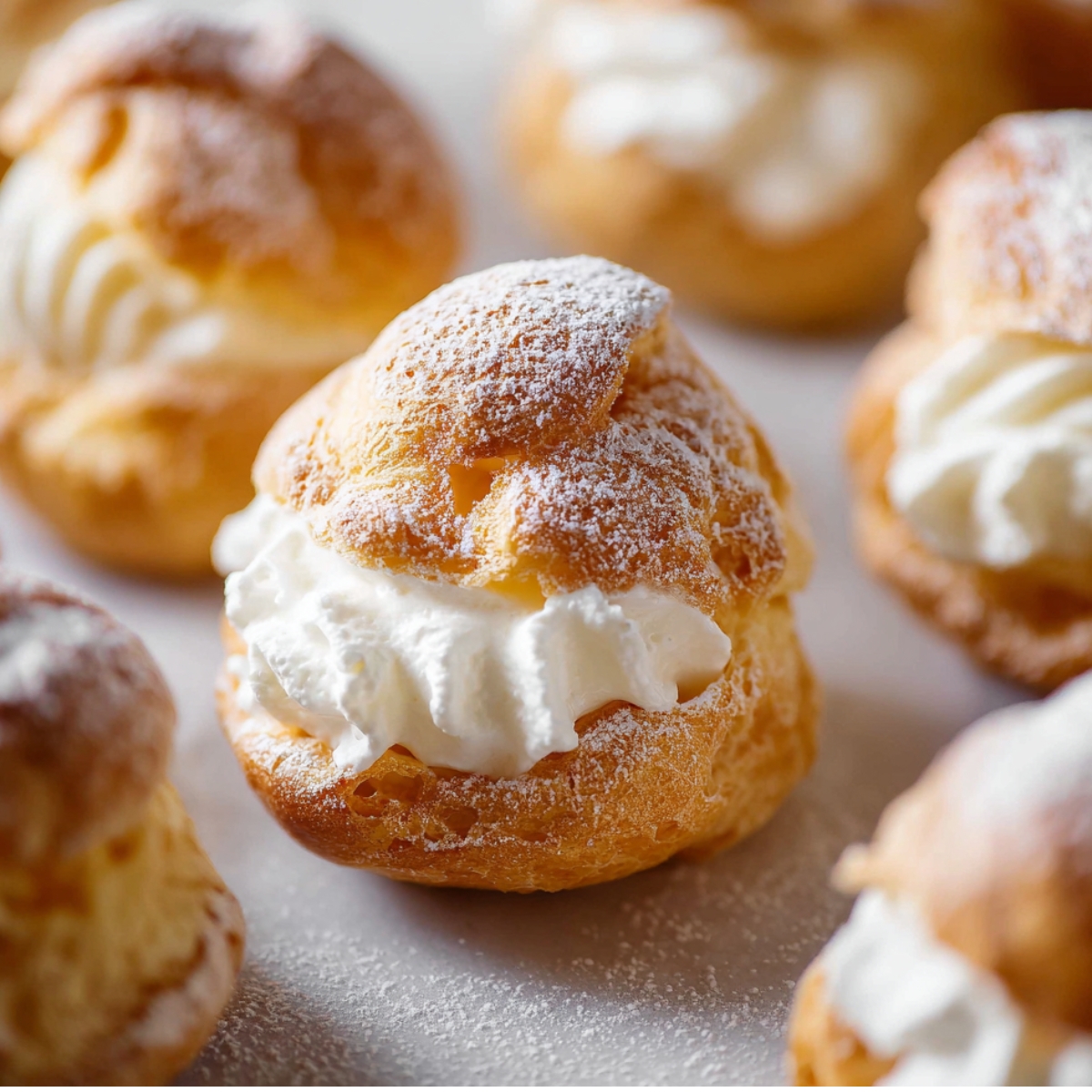
Master Choux Pastry: Your Easy Guide to Perfect Pâte à Choux
Often considered a hallmark of advanced baking, choux pastry, or pâte à choux as it's known in France, holds a special place in the culinary world. But don't let its elegant reputation intimidate you! Learning how to make choux pastry pâte à choux is surprisingly straightforward, opening up a delightful array of sweet and savory possibilities. From classic profiteroles and éclairs to savory gougères, this versatile dough is a baker's dream.
Many of us might have fond memories of cream puffs filled with ice cream, perhaps helping a parent or grandparent in the kitchen. What seems like magic – a simple dough transforming into airy, hollow puffs – is actually a beautiful dance of steam, heat, and precise technique. This comprehensive guide will demystify the process, offering step-by-step instructions, invaluable tips, and troubleshooting advice to ensure your choux pastry endeavors are nothing short of spectacular.
Why Master Choux Pastry? The Undeniable Appeal
Beyond the impressive presentation, there are several compelling reasons why you'll absolutely love adding choux pastry to your baking repertoire:
- Short & Sweet Ingredient List: You only need about five readily available items from your pantry, proving that great things often come from humble beginnings.
- Quick Preparation: Believe it or not, the hands-on time for preparing the dough itself is incredibly swift – often under 20 minutes!
- Unmatched Versatility: This is where choux truly shines. Its lightly sweetened (or unsweetened) profile means it's a perfect canvas for virtually any filling. Think delicate cream puffs with whipped cream, rich chocolate éclairs, or elegant savory appetizers like Gougères filled with cheese. The possibilities are truly endless.
- Make-Ahead Convenience: Both the unbaked dough and baked puffs can be frozen for up to a month, making entertaining a breeze. Prepare ahead and simply bake or thaw when needed.
- Elegant Presentation: Serving homemade choux pastry dishes instantly elevates any gathering. Despite their sophisticated appearance, the process is quite achievable once you understand the core steps.
The Essential Ingredients for Perfect Pâte à Choux
At its heart, pâte à choux is a simple dough, reliant on the interaction of just a few everyday ingredients. Understanding the role of each component is key to mastering the process of how to make choux pastry pâte à choux.
- Water: This is the steam engine of your choux. As the water heats and turns to steam within the dough during baking, it inflates the puffs, creating their signature hollow interior.
- Half-and-Half (or Milk/Water Blend): While classic choux pastry can be made with only water, incorporating a bit of half-and-half (or milk) adds a lovely richness to the dough and encourages beautiful golden-brown coloring on the exterior. It's a fantastic secret weapon for a more flavorful and appealing puff.
- Unsalted Butter: Beyond contributing a delicious flavor, butter provides essential fat that helps structure the dough and contributes to its tender crumb.
- Kosher Salt: A pinch of salt is crucial for balancing flavors, enhancing the overall taste of your choux, whether it's destined for sweet or savory applications.
- All-Purpose Flour: The foundation of your dough. Flour absorbs the liquids and, crucially, forms a strong gluten structure that traps the steam, allowing the pastry to "puff" dramatically.
- Large Eggs: Eggs are the magic binders, providing elasticity, shine, and the final lift to the dough. They also help to emulsify the mixture, ensuring a smooth, cohesive texture.
Ingredient Insight: For sweet applications like cream puffs or profiteroles, you can add 2-3 teaspoons of granulated sugar along with the butter mixture at the boiling stage. This provides a subtle sweetness that complements dessert fillings without making the dough overly sweet. For a deeper dive into ingredient nuances, check out our article: Ingredient Choux Pastry Secrets: Quick Tips for Success.
Quick Tip for Eggs: Eggs incorporate best into the dough when they are at room temperature. To quickly bring cold eggs to temperature, place them in a bowl of warm (not hot!) water for 5-7 minutes before use. The water should feel warm to the touch, around 90-100 degrees F; anything hotter could start to cook the eggs.
Step-by-Step Guide: How to Make Choux Pastry
Now, let's break down the process of how to make choux pastry pâte à choux into manageable, easy-to-follow steps. Precision here is more about observation than strict timing.
Step 1: Preparing the Liquid Base
In a medium saucepan, combine the water, half-and-half (or milk), unsalted butter, and kosher salt (and sugar, if making a sweet choux). Place the saucepan over medium-high heat. Bring the mixture to a full, rolling boil, ensuring all the butter is completely melted. Once boiling, immediately remove the pan from the heat.
Step 2: Incorporating the Flour and "Drying" the Dough
Once removed from the heat, quickly add all the all-purpose flour at once to the hot liquid. Stir vigorously with a wooden spoon or heat-proof spatula until the mixture comes together into a cohesive ball of dough that pulls away cleanly from the sides of the pan. This initial mixing happens off the heat.
Now, return the pan to medium heat. Continue stirring and "drying" the dough by pressing it against the bottom and sides of the pan for 2-3 minutes. You'll notice a thin film forming on the bottom of the pan, and the dough will become smoother and more pliable. This crucial step evaporates excess moisture, creating a strong starch-based matrix necessary for the dough to puff properly. Without sufficient drying, your choux may be dense or collapse.
Transfer the "dried" dough to a large mixing bowl or the bowl of a stand mixer fitted with the paddle attachment. Allow it to cool for 5-10 minutes, stirring occasionally, until it's warm to the touch but no longer steaming hot. This prevents the eggs from scrambling when added.
Step 3: Gradually Adding the Eggs
This is arguably the most critical stage. With the mixer on low speed (or by hand with a wooden spoon), add the large eggs one at a time, ensuring each egg is fully incorporated before adding the next. The dough will initially look separated and slimy, but keep mixing – it will come back together and become smooth.
The key here is consistency. You might not need all the eggs, or you might need a tiny bit more, depending on factors like flour type and humidity. The ideal choux pastry dough should be glossy, smooth, and thick enough to hold its shape, yet soft enough to pipe. When you lift the paddle or spoon, the dough should slowly fall back into the bowl, forming a "V" shape or a soft peak that holds its curve without breaking. If it's too stiff, add a tiny bit more beaten egg (a teaspoon at a time) until the desired consistency is reached. If it's too runny, unfortunately, there's no easy fix, so add eggs cautiously.
Step 4: Piping and Baking for the Perfect Puff
Transfer the finished choux pastry dough to a piping bag fitted with your desired nozzle (a large round or star tip is common for puffs and éclairs). Line a baking sheet with parchment paper or a silicone mat.
- For Puffs/Cream Puffs: Pipe mounds of dough, about 1-1.5 inches in diameter, spaced about 2 inches apart.
- For Éclairs: Pipe finger-length strips of dough.
- For Gougères: Pipe smaller mounds, often topped with grated cheese.
Before baking, you can lightly moisten your fingertip and gently smooth out any peaks on the piped dough to prevent them from burning. For an extra golden crust, some bakers like to brush the tops with an egg wash.
Preheat your oven to a high temperature, typically 400-425°F (200-220°C). Place the baking sheet into the hot oven. The initial high heat creates a burst of steam that causes the pastry to puff up dramatically. Bake at this temperature for 15-20 minutes, then reduce the oven temperature to 350-375°F (175-190°C) and continue baking for another 15-25 minutes, or until the choux are deeply golden brown, firm to the touch, and feel light when lifted. It's crucial not to open the oven door during the first 20-25 minutes of baking, as this can cause the puffs to collapse.
Once baked, turn off the oven, crack the door slightly, and allow the choux to cool inside for 10-15 minutes. This slow cooling helps them dry out further and prevents them from collapsing.
Troubleshooting Common Choux Pastry Issues
Even with a clear guide on how to make choux pastry pâte à choux, you might encounter a few hiccups. Here's how to address them:
- Soggy or Flat Choux: This is often due to too much moisture. Either the dough wasn't dried enough on the stovetop, or too much egg was incorporated. It can also happen if the oven door was opened too early, causing the steam to escape and the structure to collapse.
- Pale Puffs: If your choux aren't getting that beautiful golden color, they might need more time in the oven, or your oven temperature could be slightly off. Using half-and-half instead of just water can also aid in browning.
- Bursting or Uneven Shapes: Over-mixing the dough (developing too much gluten) or uneven piping can cause irregular shapes or bursting. Ensure even piping and don't overwork the dough.
Conclusion: Your Choux Pastry Journey Begins!
Mastering how to make choux pastry pâte à choux is a rewarding culinary achievement that will unlock a world of delicious possibilities. While it involves a bit of precision, the steps are straightforward, and the results are consistently impressive. With a short list of ingredients, minimal hands-on time, and incredible versatility, choux pastry truly deserves a place in every home baker's repertoire.
Don't be afraid to experiment with fillings – from classic vanilla cream and chocolate ganache to savory smoked salmon mousse or pimento cheese spreads. Embrace the process, pay attention to the dough's consistency, and soon you'll be creating elegant, airy puffs that will delight everyone who tastes them. Happy baking!
